Staff Spotlight - Natalie!
03 Feb, 2026


We spoke to James and asked him a few questions about his role as a CPI Trainer at Acedia Ca...
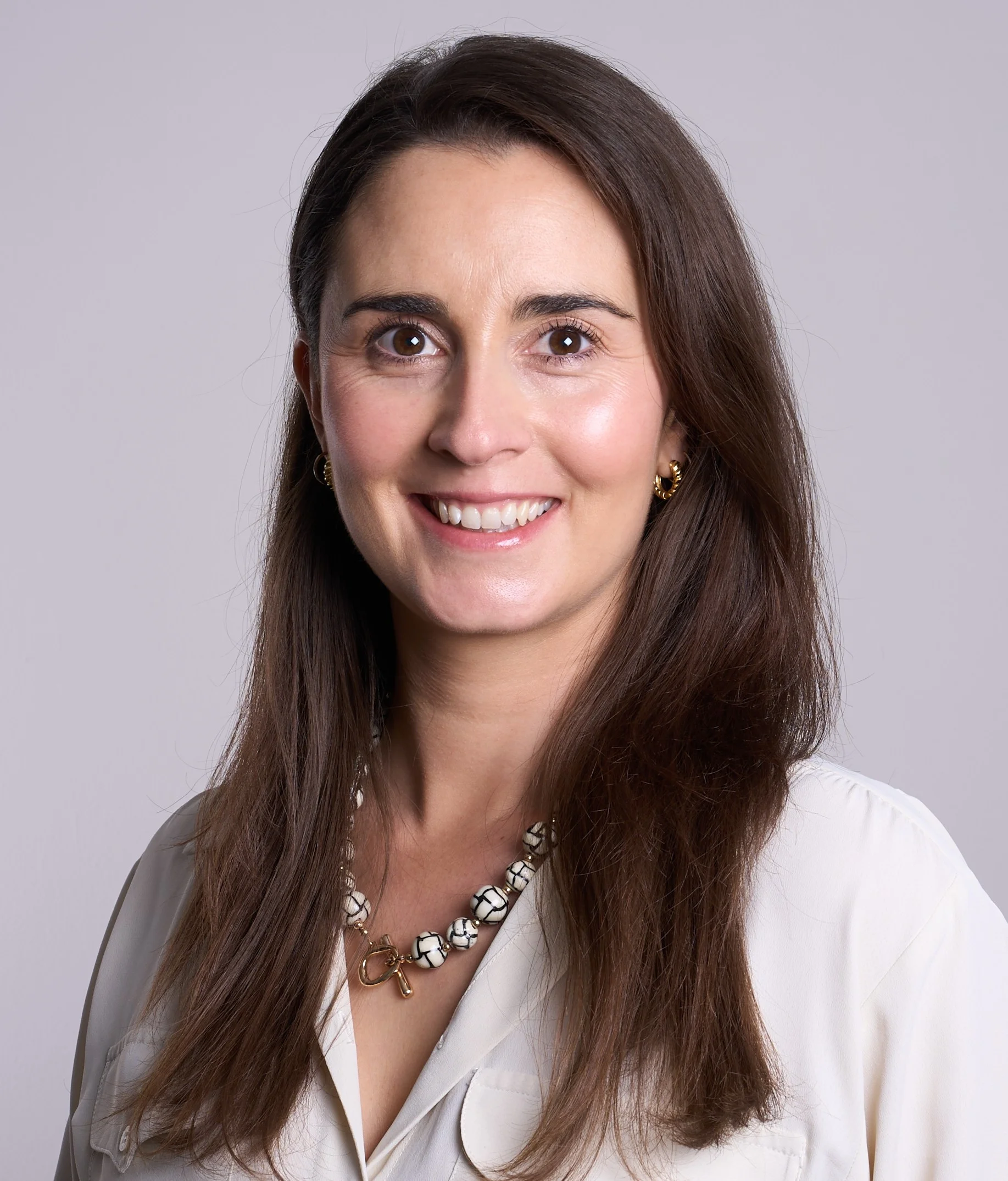

For just over two years, I have been delivering safety intervention training for Acedia Care. The role gives me the opportunity to help colleagues develop professionally while contributing to the high-quality, person-centred care provided to the young people we support.
What first drew me to the role was the chance to support other people’s continuing professional development. I find the course content genuinely interesting, and its underlying values strongly resonate with me. The training emphasises person centred care, helping staff create the conditions in which each individual can grow, develop and thrive.
Acedia Care’s dedicated management team cares passionately about both the young people and the staff. When I saw that style of leadership, I knew this was a care provider I wanted to be part of.
My career before becoming a CPI trainer included me being an HR coordinator. I also was involved with sports development, I used sport and physical activity to help address issues such as sickness absence, social engagement and community development. I have also supervised and managed teams of staff and volunteers, and throughout these varied roles I have always enjoyed seeing others progress in their careers.
Much of my day-to-day work happens before a training session begins. I regularly review the care plans of the young people Acedia Care supports, then tailor the training so it is relevant to their individual needs. I also record the training with the Crisis Prevention Institute (CPI), helping to ensure that everything remains current, and I discuss training requirements with the management team between courses. I usually deliver a course every fortnight.
A foundation session begins with a knowledge check covering the online part of the course. We discuss early interventions that can reduce the likelihood of risk behaviours occurring before moving on to safety interventions, including disengagement and holding skills. These skills are important for keeping young people and staff safe, but the central message is clear: they are last resort interventions.
One of the things I most enjoy is the support CPI provides to trainers. Each year I attend a refresher course where trainers share examples of good teaching practice and techniques that work for them. Learning from their experience helps me continually enhance my own delivery. We all want to provide the best possible training because we know it ultimately contributes to better care.
The role also calls for thoughtful judgement. Learners often ask “what if?” questions, but there is rarely a single definitive answer because so many factors can influence decision making. Rather than offering an oversimplified response, I help learners identify the questions they should ask themselves when assessing a situation.
What I value most about CPI safety intervention training is that much of the course focuses on approaches that do not require disengagement or holding skills. Although we teach those techniques, they remain a last resort. The priority is always to provide high-quality care that is unique to the individual while ensuring they feel safe, supported and empowered.
Although I do not work directly with the young people Acedia Care supports, it is rewarding to know that my training helps each person receive care and support tailored to them. One particularly memorable moment came when an experienced new member of staff, who had completed other forms of safety intervention training over many years, described my course as one of the best they had attended.
People may be surprised to learn that CPI trainers receive support throughout the year. It is reassuring to know that expert guidance is available whenever I need it. Unlike an external trainer, I am also part of the care team and the wider Acedia Care family, so my support does not end when a course finishes.
Training is delivered annually for each learner, but that does not mean staff only see me once a year. I am available all year round to answer questions about using the skills in practice. Everyone is unique and learns differently, so I can tailor the approach and provide more bespoke training when required. Staff can contact me directly or speak to their home manager.
Delivering the same training regularly can be challenging, but I keep my focus on the end goal: helping staff provide high-quality care to young people. I am proud that, whether someone attended my first session or my most recent one, they would experience training designed to be relevant, engaging and grounded in the needs of the people we support.

